After recently trying Nio Teas’ Oishi Ceremonial Saemidori Matcha, I was intrigued to see how Premium Oishi Matcha one would differ, and whether or not the slight price increase between the two would be noticeable within the quality of this matcha and the overall experience provided by it.
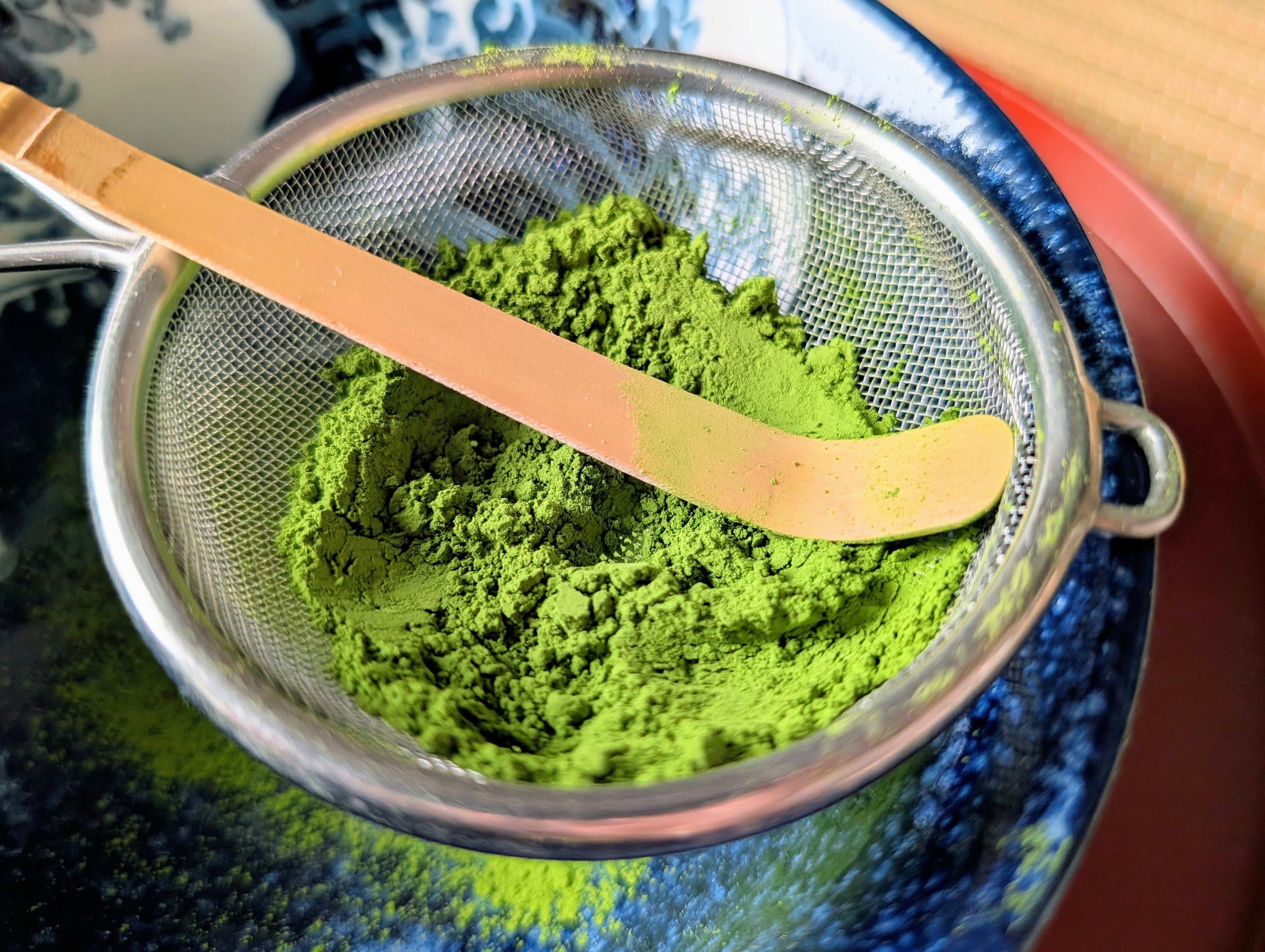
Visually, when dry this matcha is a bright & concentrated but creamy pistachio green, akin to that of pistachio spread / pistachio paste, with an aroma composed of coco pops, roasted seaweed, subtle toasted nuttiness, compound butter with seaweed lemon zest and a touch of sesame with the dry aroma leaning more towards the savoury end of the scale than the ceremonial one did. Texturally, the powder is just like the ceremonial matcha, light as a feather with little to no resistance, all but weightless on the chashaku.
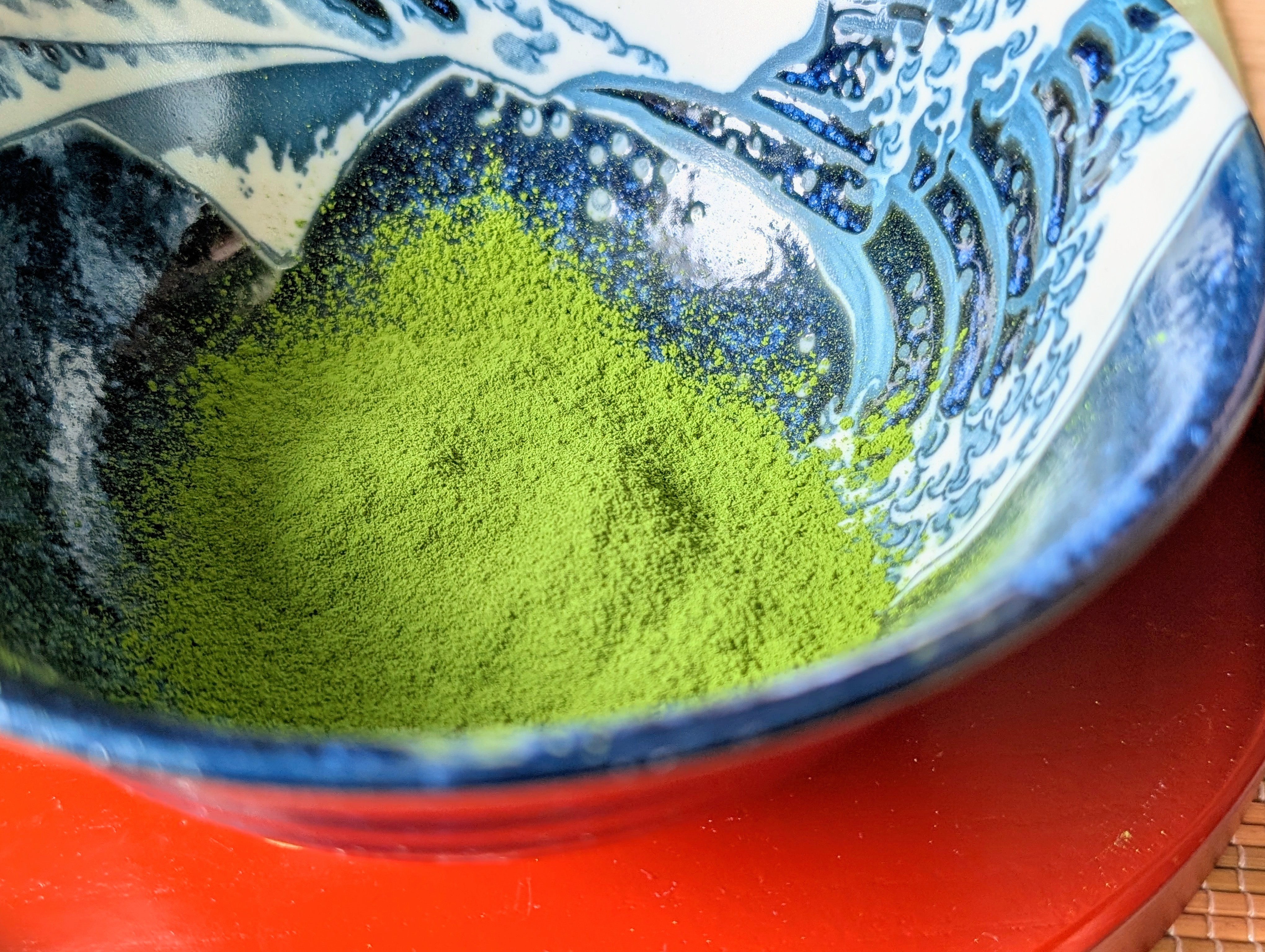
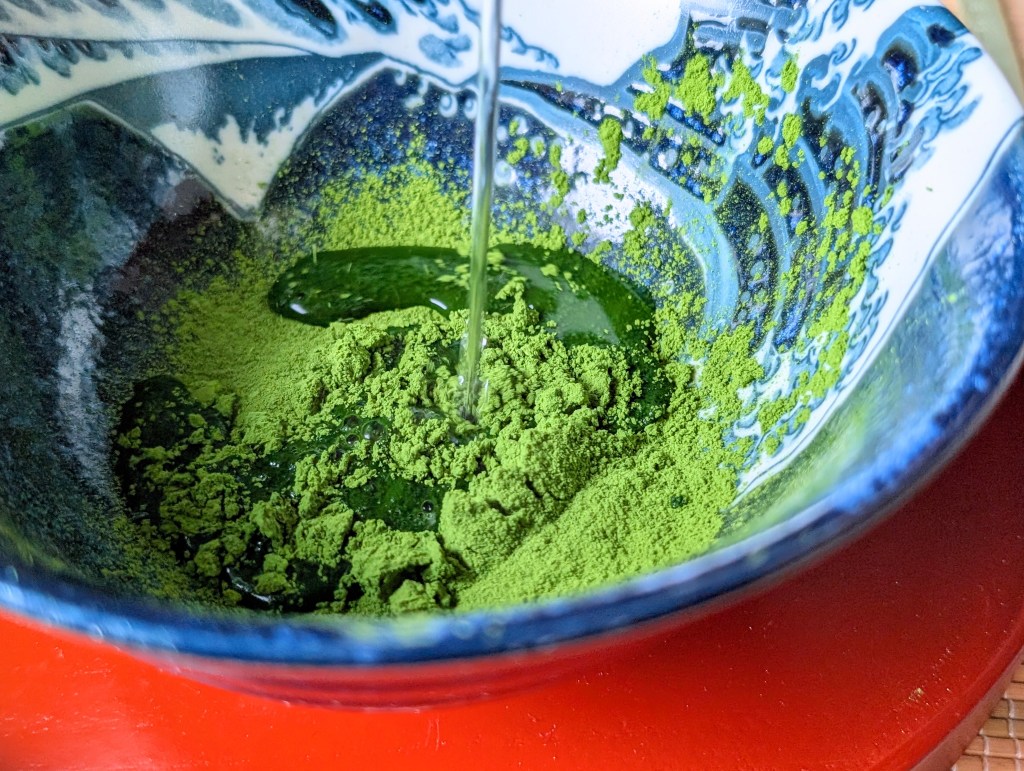
With the addition of water, all of the notes mentioned in the dry aroma are amplified and gain more complexity: coco pops with warm oat milk, melted compound butter with seaweed and lemon zest, sesame, and a heightened toasted nuttiness all shine. The vegetal presence was much stronger than it once was, with notes of steamed dark leafy greens such as kale, spinach and even seaweed. Visually, the once creamy yet concentrated green became, as you would expect, darker, with the liquid before mixing into a thick glossy paste mirroring the needles of an evergreen tree in colour.
Once it is in its paste form, that creamy yet concentrated pistachio spread / paste colour returns again. Texturally, when wet it is fantastic to work with, needing easily into a thick glossy paste and then from there frothing excellently into a thick mousse-like foam in next to no time.
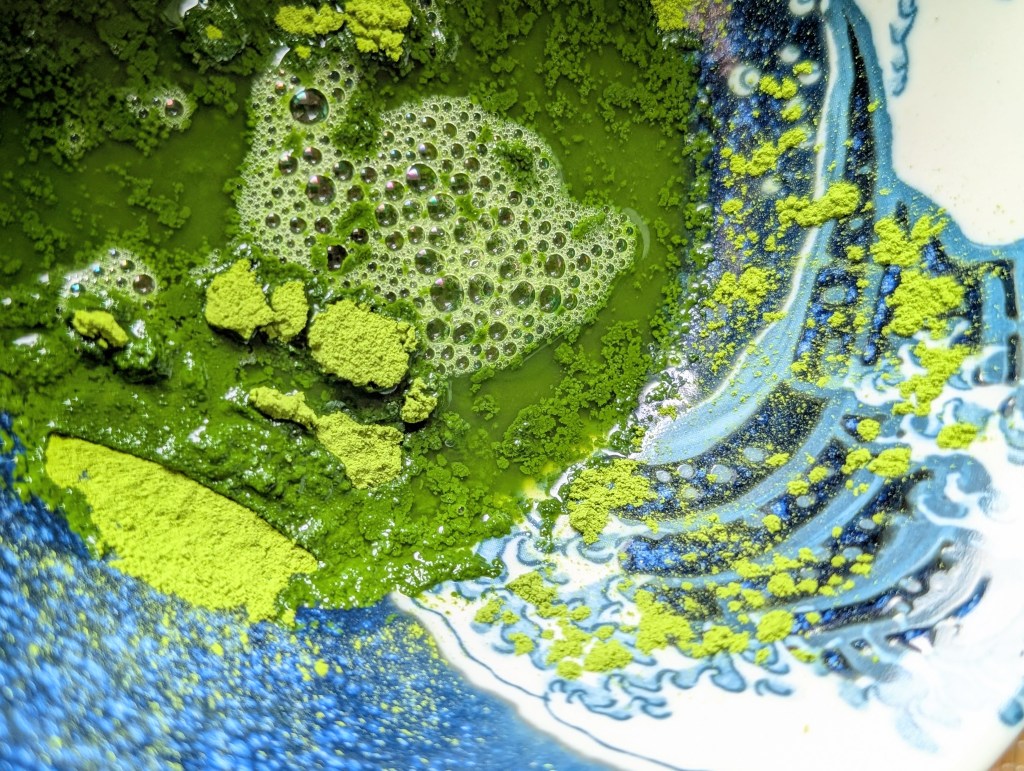
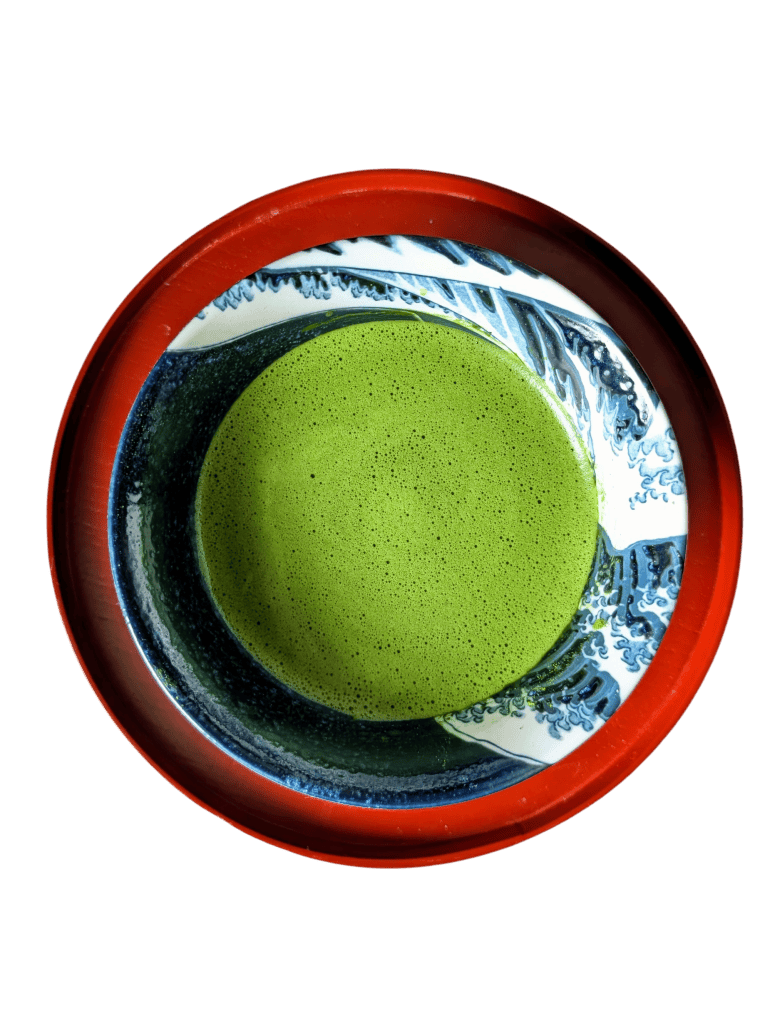
When prepared as usucha, this matcha makes itself known instantly, with its brisk umami, savoriness, and prominent vegetals immediately present, along with much more of a presence of marine punch, with that note of roasted seaweed immediately identifiable. There’s a balanced level of minerality with it, and those vegetal notes do lean more into that of steamed darker vegetables such as spinach, kale and even seaweed.
Texturally as usucha it is dense, thick, creamy and enveloping, with a long lasting finish & lingering minerality, vegetals, creaminess and soft sweetness, the later two of which do a great job of providing balance and avoiding the more intense vegetal, umami, marine notes becoming overpowering. There is an ever so puckering sensation of astringency that occurs on the cheeks and does linger but it is in no way strong enough to hinder enjoyment.
It is overall much more intense than the ceremonial when prepared as usucha in the way I usually would, but despite that there is balance and endless complexity. It further proves the point I made in my review of the Ceremonial Oishi, that every matcha is suited to a time, a place and a feeling.
Again, given the flavor profile, texture and finish of this matcha when prepared as usucha, I was slightly unsure of how it would perform during the preparation, temperature & pairing experiments I usually do, especially the temperature experiment, because I had no doubt in my mind that it would be able to stand its ground with the addition of milk. However, there were a few indicators within the flavour profile & finish, such as the astringency, that left behind that puckering sensation on the cheek, and the already very prominent dark vegetal note could very easily become too strong when prepared with hotter water and throw off the balance that was found within the usucha.
Nevertheless, I decided to move forward with the experiments anyway, because there have been many matchas that have proved my assumptions wrong (like the Ceremonial Oishi) that I wouldn’t have been able to learn those lessons from had I not done the experiments.
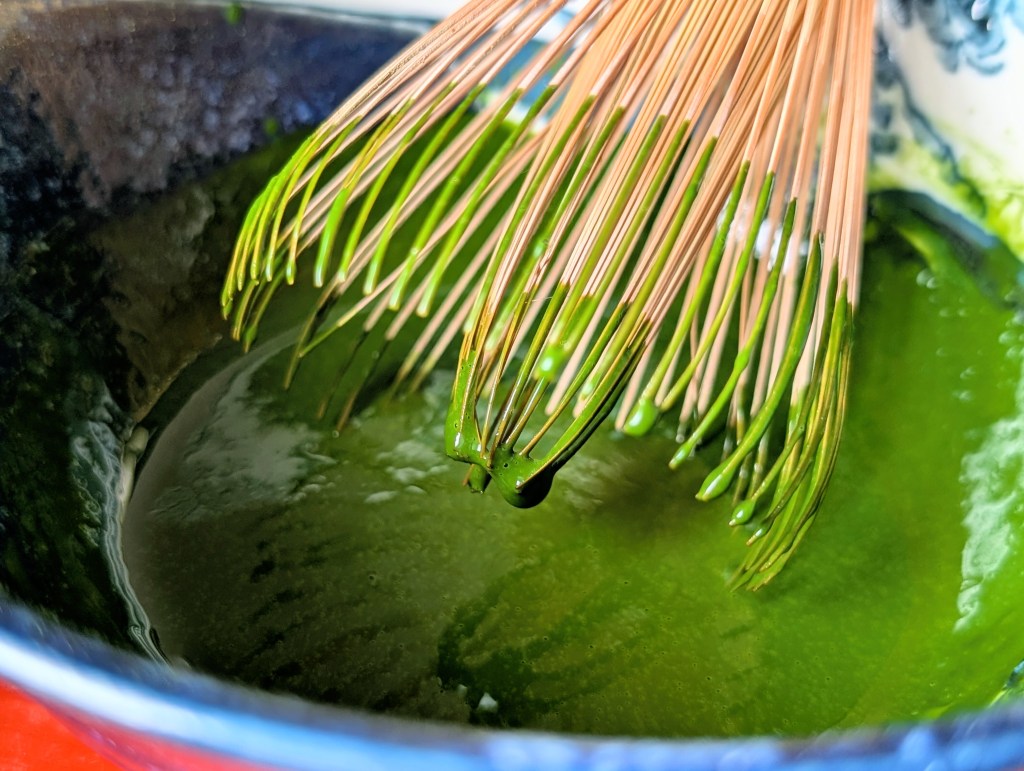
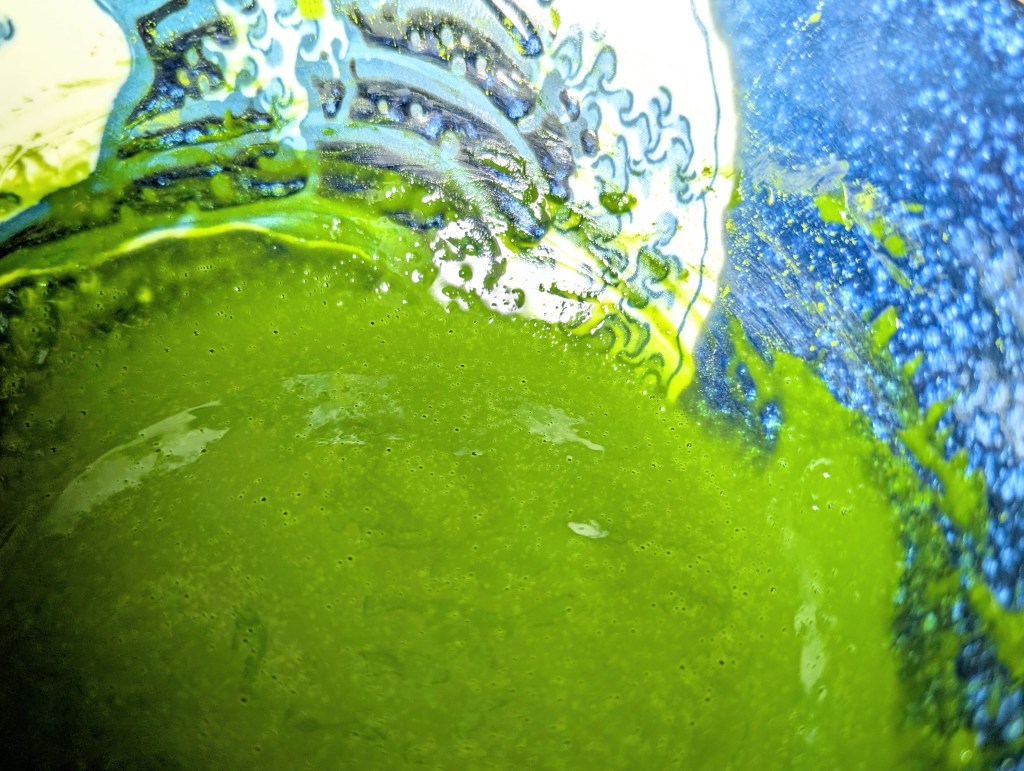
When prepared with water at a slightly hotter temperature, unlike the Ceremonial Oishi that was transformed and became more well rounded when prepared with water at a slightly hotter temp of 70C-75C, the balance that this matcha already had was destroyed by the change in water temp. This matcha is quite bold to begin with and does have an astringency that leaves behind that puckering sensation on the cheek, along with an already very prominent dark vegetal note, all of which were balanced well when prepared as usucha but pushes too far when prepared with hotter water, making it hard to enjoy overall. Therefore I wouldn’t choose to prepare it this way again, nor would I suggest that you do either.
When prepared as a hot latte, given that this matcha is not at all shy about making itself known, and doesn’t lack in strength, depth and complexity, it stands excellently against the addition of milk and makes for an incredibly enjoyable latte without the need for any sweetener or additional flavours to be added. You can still taste all of the fantastic notes within its flavour profile and the warm, frothy oat milk amplifies the level of creaminess.
While it makes for a great latte without any additional flavours added, I did experiment with some lattes, using it to make a pumpkin butter matcha latte to kick start the autumn & it was not only a fantastic pairing for the pumpkin & spices, but stood it’s ground against that and the addition of the oat milk wonderfully, which as I am sure you can imagine means that it also performs excellently when prepared as an iced latte, with not only the addition of oat milk but also the dilution of ice & addition flavours should you choose take a liking to preparing matcha lattes in almost empty jars of delicious preserves and spreads like I do.
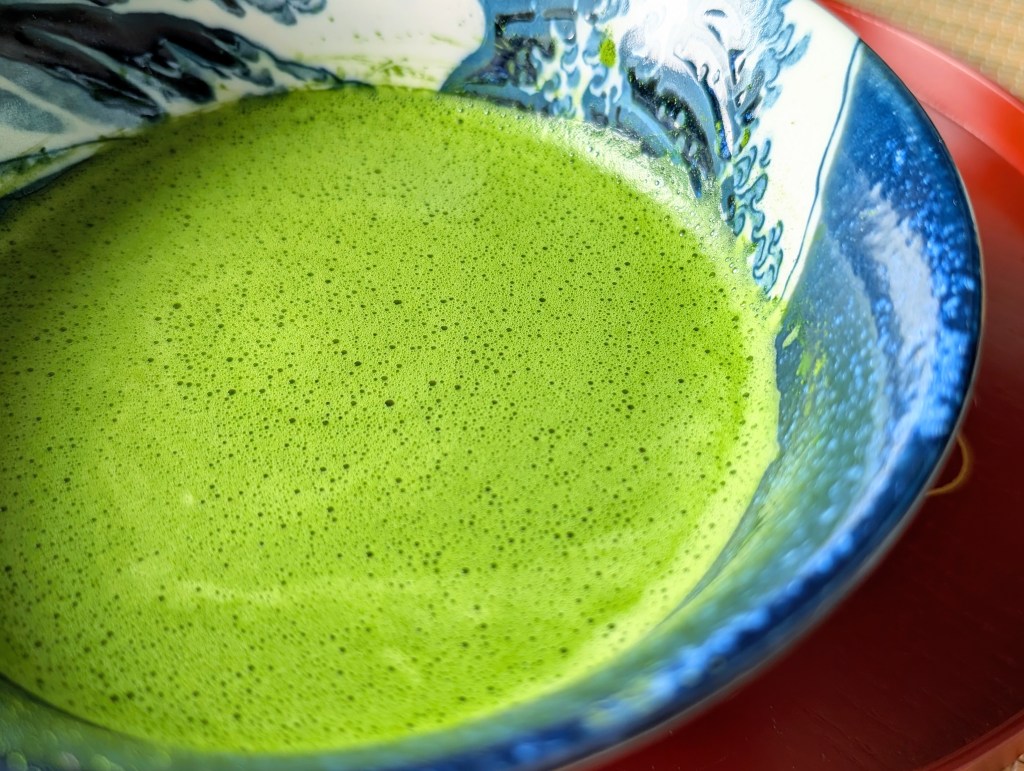
Pairs well with: Slightly heavier and more indulgent treats than the Ceremonial Oishi Matcha, like pumpkin butter, crispy brown sugar cinnamon biscuits, spiced vanilla almond biscuits & Taiwanese pineapple cakes. Overall my preferred ways to enjoy this matcha are: as usucha prepared with water at my usual temperature and as both a hot & iced latte both on its own and with the addition of other flavors.
Based on my experiences with this matcha, I would say that the price difference between this one and the ceremonial one is definitely justified, when you examine both the details and the wider experience as a whole. As I said earlier in the post, I enjoyed the experiences provided by both of these matchas and that each one is best suited to completely different times, places and circumstances, however with that being said, If I were to only be able to purchase one again, I would pick this one over the other because it is the one of the two that is best suited my my personal taste.
However, I would still recommend trying both of these matchas, as the varied experiences they provide, serve as a fantastic learning tool and are a great example of the many contributing factors that shape the way we experience each matcha we drink, long before they are packaged and shipped across the world.
Art Pairing: Marine Vert / Green Seascape by Léon Spilliaert
Over the weeks I spent experimenting with this matcha, I went back and forth on what kind of direction to go in with this pairing, with different ideas popping in and out of consideration with each experiment and their varying results contributing to my indecision, however at the point I am merely a session or two away from the bottom of the bag and with each bowl of usucha I sip from it, I am drawn back to my first bowl & the inspiration I had for the art pairing once I had sipped my way to the end of it, which was to focus on the marine presence, which is punchy but balanced by other elements & I felt like I was being willed by each bowl to trust in my instinct and to remember not to question myself.
With that in mind I set out to find a piece of art no matter the medium that encapsulated the experiences provided by this matcha and the consistent throughlines found within them that were the biggest inspiration. I decided to go back to my art pairings folder in which I keep art that I think could one day pair perfectly with tea, and found a piece I had saved months ago that I knew immediately was the ideal visual partner for this matcha & that was Marine Vert / Green Seascape by Léon Spilliaert.
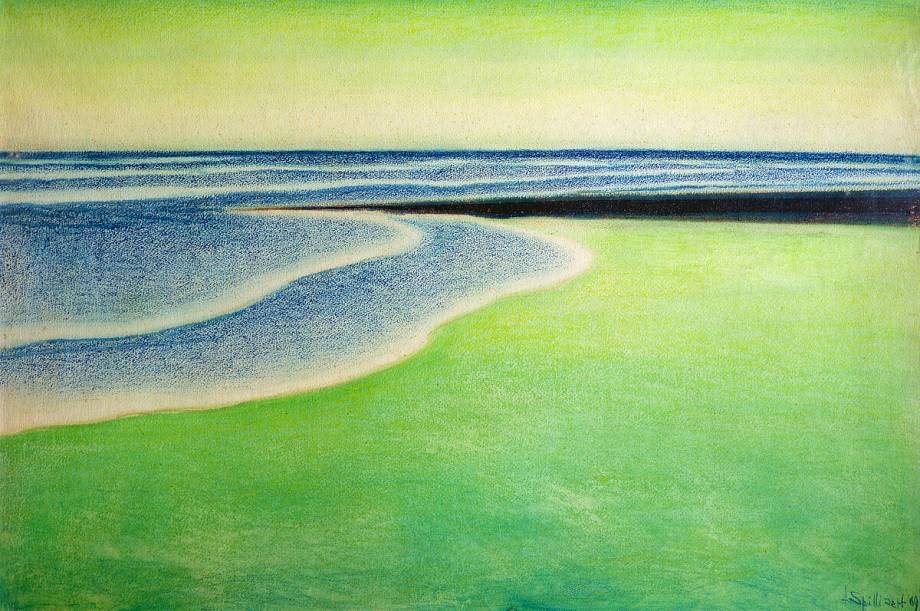
A stunning seascape captured only in a varying shades of blue, green & detailed with white, this piece was crafted using Indian ink wash, brush, pastel, watercolor, colored pencil and crayon on paper. The colour palette used is a lesson in restraint and creates atmosphere within the piece. The balance between the blue of the water and the green of what one can only assume is sand and sky, serves as the first one of many links between this piece and the matcha. In addition, there are connections to be found in the colour palette, the subject matter and the textures created by the varying mediums used to create it.
In colour, I am of course talking about the greens, as one would when working with matcha, & though the greens used within this painting are not an exact match, in my opinion they do not need to be because of the additional links between the two, such as the way in which creamy white is featured throughout the piece that provide a link to the creaminess and sweetness present within the flavour profile of the matcha that helps to provide the balance that avoids the marine and vegetal notes becoming overpowering. Its presence within this piece does the same, balancing the greens and blue and stopping the pieces from feeling blocky, heavy and flat, the latter of which is also avoided by the textures found within the piece that are the result of the paper used, but also the myriad of mediums used to create it.
Those varying textures, in addition to the link to marine presence with subject matter only further strengthened the connection between the two, and I was so happy to have been redirected back to my original train of thought for this pairing because of that. I will truly do my best to use the lessons I was taught by this matcha and the way in which this tea & art pairing came together as a reminder to continue to trust my instinct and to stop questioning myself from now onwards.
Have you tried this matcha? If you have, I would be interested to hear about what kind of art you would pair it with, and whether or not your experiences with this matcha were similar to mine & if you haven’t tried this matcha yet, you can find it here on the Nio Tea’s website. If you would like to try the ceremonial version of this matcha in tandem with this one, you can find that one here. Remember to use the code KIMBERLEYSKYUSU15 for 15% off your Nio Teas order.
Until next time, Happy Steeping – Kimberley


You must be logged in to post a comment.