Nio Teas’ Oishi Ceremonial Matcha Saemidori is from Kagoshima, on Japan’s Kyushu Island, and crafted by Mr. Oishi & the Oishi family. As the name suggests, it is made from the Saemidori cultivar, one of Japan’s most celebrated varieties, and is from Kagoshima Prefecture on Kyushu Island, one of Japan’s most fertile tea-growing regions. The family has been producing tea since 1940, mastering the balance between innovation and heritage.
The volcanic soil, rich in minerals, combined with Kagoshima’s mild climate, allows for ideal shading conditions that amplify the Saemidori cultivar’s signature umami and sweetness. Every step of production, from shading to grinding, is handled with precision.
Having previously enjoyed a handful of different matchas from Nio Teas, my expectations were definitely high going into this session, and I was eager to see what this matcha had to offered not only compared to other matcha I have had from Nio Teas, but also to other matchas I have tried that are made using the same cultivar.
As always with my matcha reviews, I have spent the last few weeks experimenting with the matcha and preparing it in different ways, changing water temps, water to matcha ratios and seeing what treats compliment the flavor profile perfectly. Below are the results of those experiments that run from Usucha (with both cooler & hotter temp water), to lattes and everything in between.
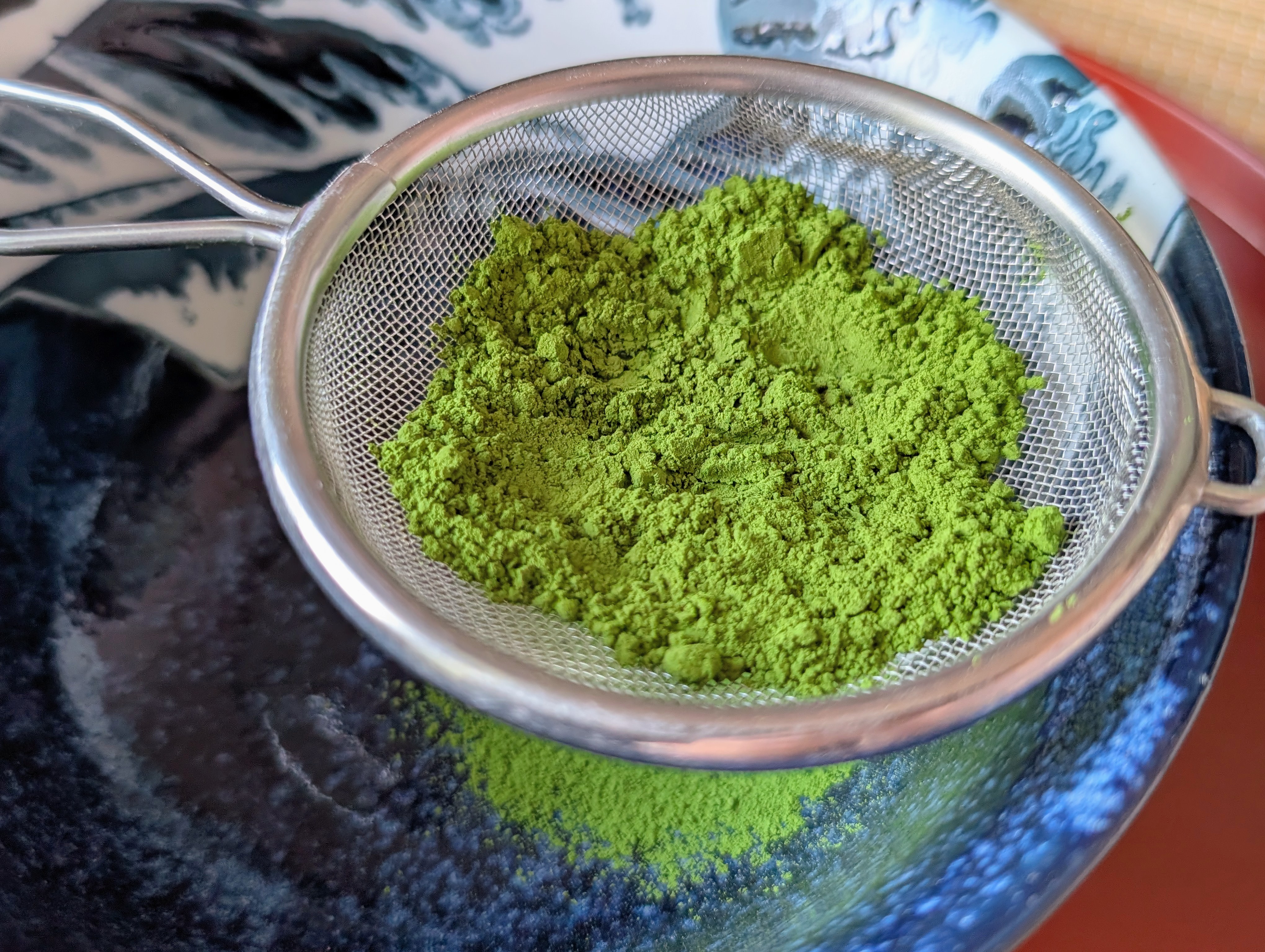
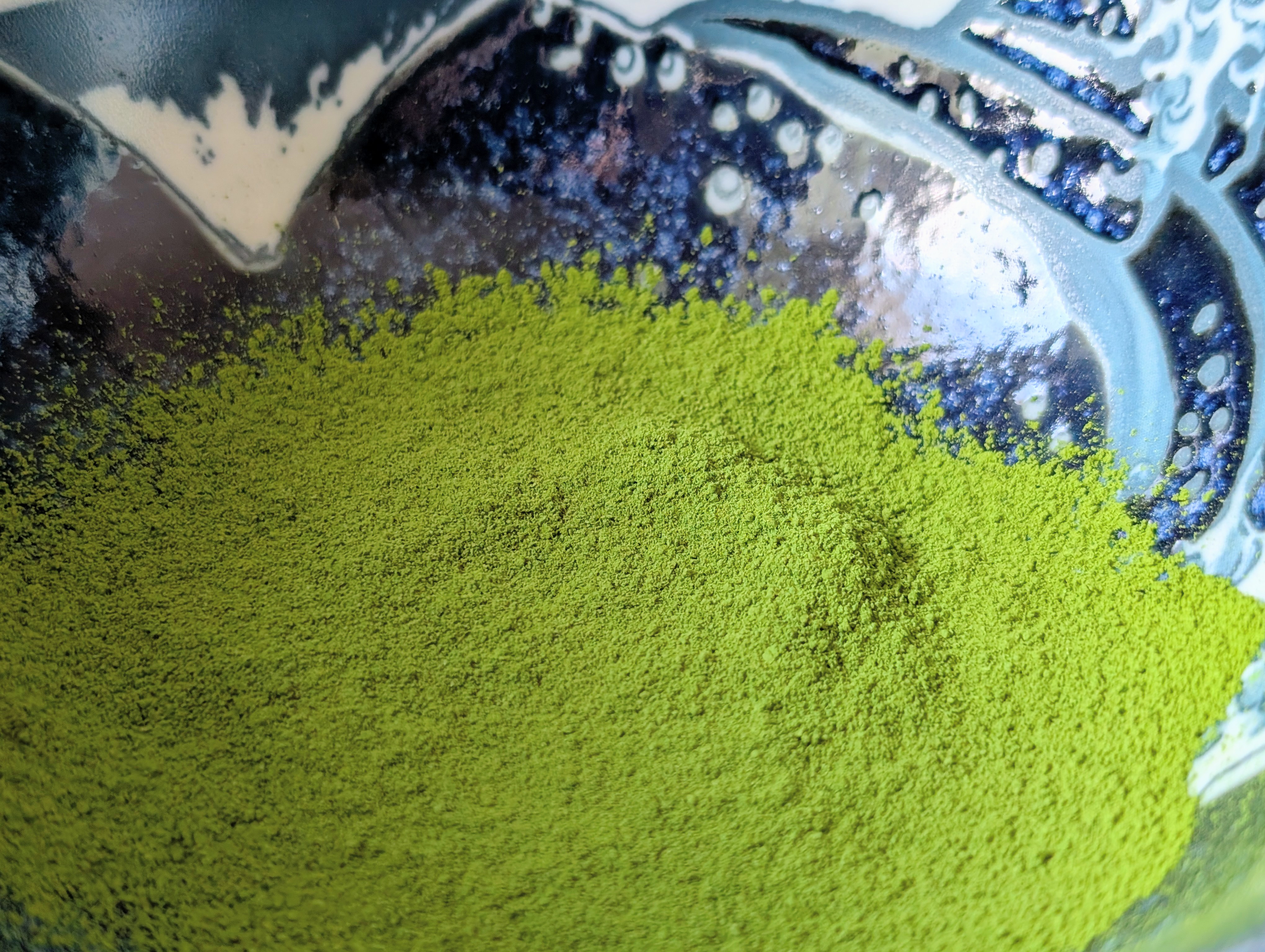
The dry powder is a bright green in colour, with a somewhat yellow undertone. It is very soft and light in texture, with next to no resistance when the chashaku (matcha scoop) is moved through it & it all but feels weightless when lifted from the bag to the bowl. Alongside that, the aroma is sweet, mildly toasty, softly vegetal & creamy (chrysanthemum milk), with notes of ripe bananas & milk chocolate dipped buttery madeleines, finished by very light marine undertone.
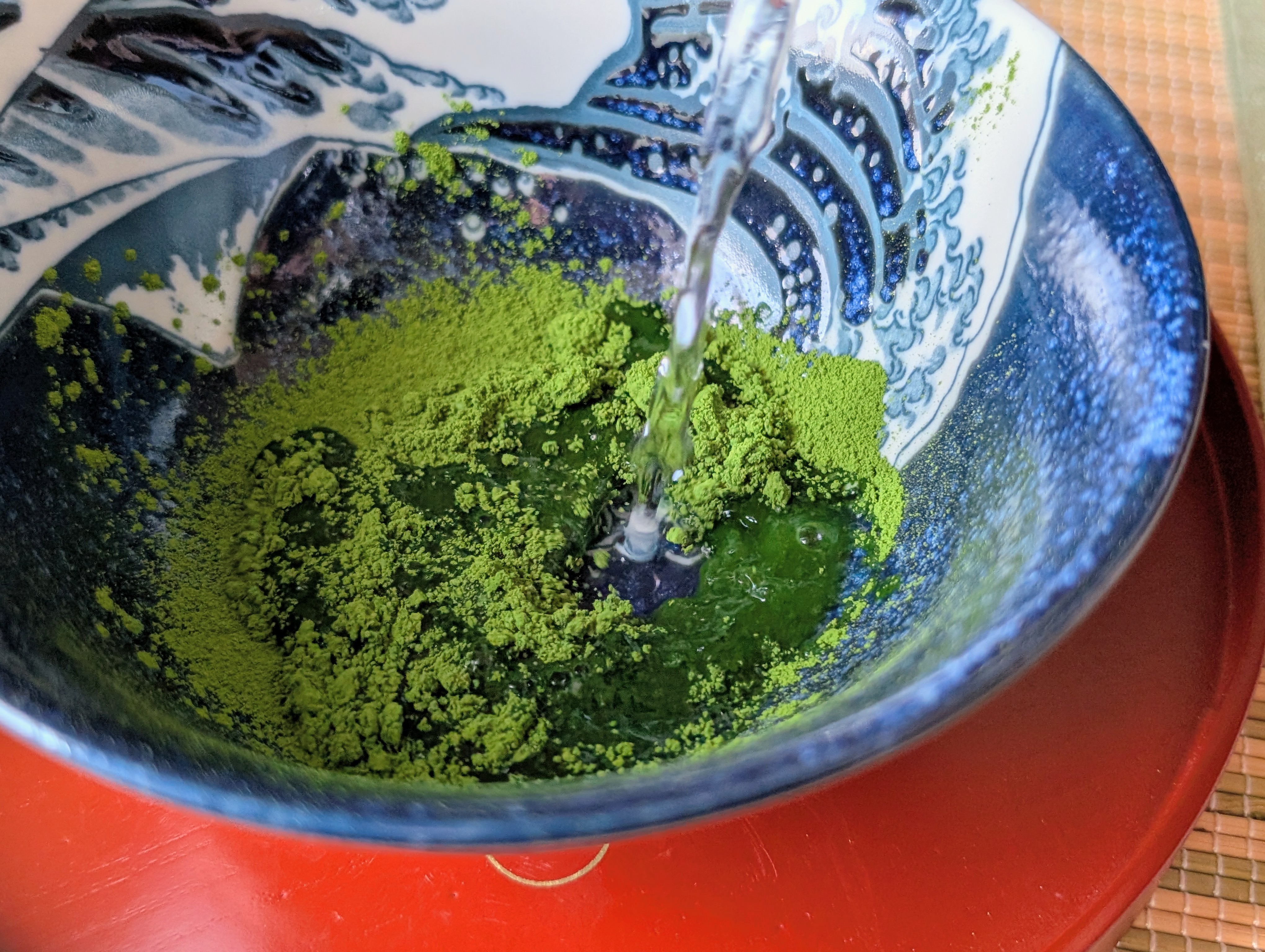
Upon the addition of water, the aroma transforms and becomes much more prominently vegetal than it once was, now being composed of steamed dark leafy greens with a touch of salted butter, mossy rocks, riverside flora on a rainy mid afternoon & a tempered level of sweetness than was present in the dry aroma.
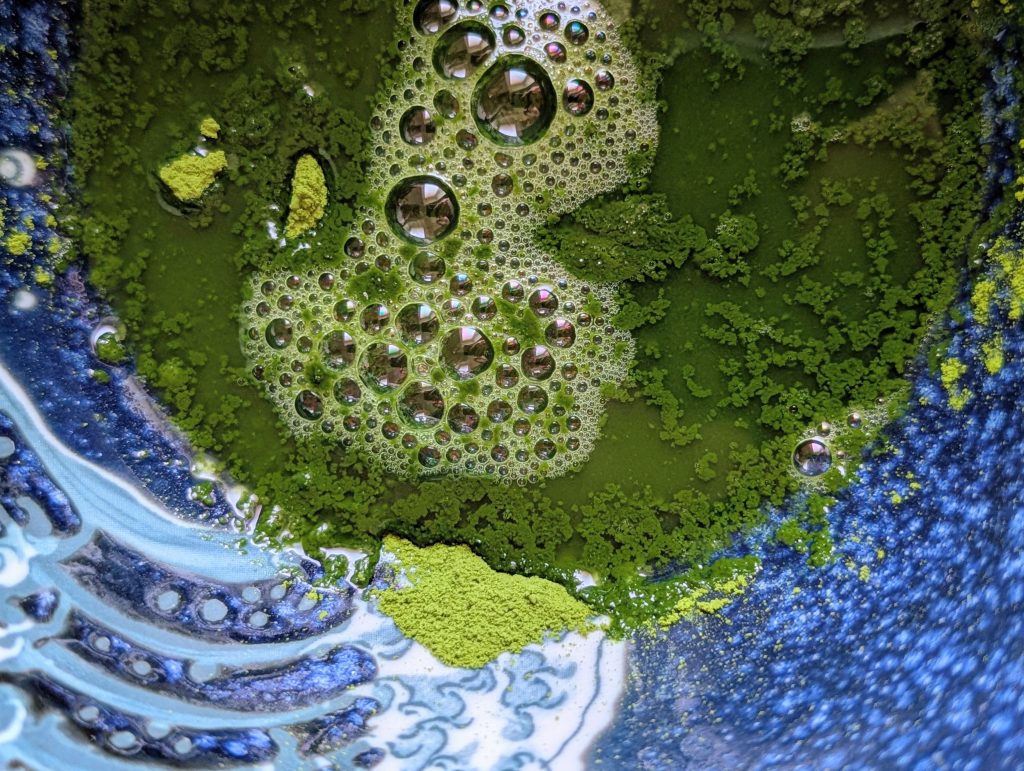
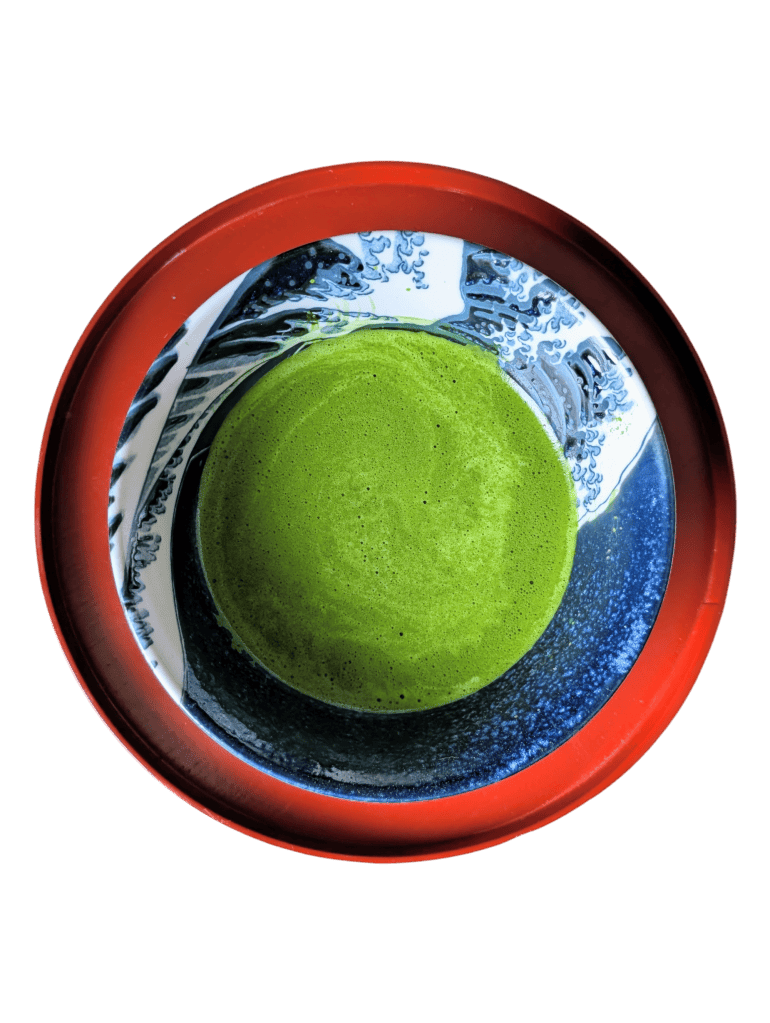
Visually and texturally it takes on many forms through the preparation of usucha, as I prefer to use the paste method when preparing a bowl of usucha, which means as soon as water is added in, it becomes an intense dark rich forest green. When slowly whisked into thick glossy paste, it becomes a mix of forest and fern green & finally, after the addition of more water and a lot of frothing, a creamy pastel green foam sits atop a thin lake of forest green, covering it completely and leaving only the smallest bubble shaped windows into the world that lies beneath.
As usucha (with water at 60-65C), the flavour profile of this matcha is delicate, sweet and slightly nutty. The vegetal notes are present and reminiscent of steamed green beans & edamame, and the level of umami is of a medium level, which is present, but this matcha is certainly not an umami bomb like others I have had.There is a small amount of acidity, alongside mossy wet riverside rock minerality & a starchiness present, akin to that of a sweet potato, alongside an underlying nuttiness.
Notes found when prepared as usucha include: steamed green beans & edamame, sweet potato, sweet potato jelly sweets, chrysanthemum milk and slightly overripe banana.
Texturally when prepared this way, it has a light-medium body & is smooth & delicately creamy, with a touch of acidity and mossy wet riverside rock minerality. This is followed by a finish that is of a medium length, with light notes of milk chocolate and a quick flash of overripe banana sweetness that quickly dissipates and leaves behind vegetal notes of steamed green beans & edamame.
In terms of usucha, this is a matcha I would reach for at specific times of the day or under specific circumstances, for example if I wanted a slow and calm morning but still wanted to sharpen my focus and get a slow release boost of energy, or if I knew I had an event to go to in the evening and knew I was going to want something to help my energy levels, but I needed it to be calmer overall.
Despite being unsure of how this matcha would fare through preparation & temperature experiment, nevertheless I did them anyway, starting with my usual water temperature experiments, using my experiments with it as usucha as my baseline.
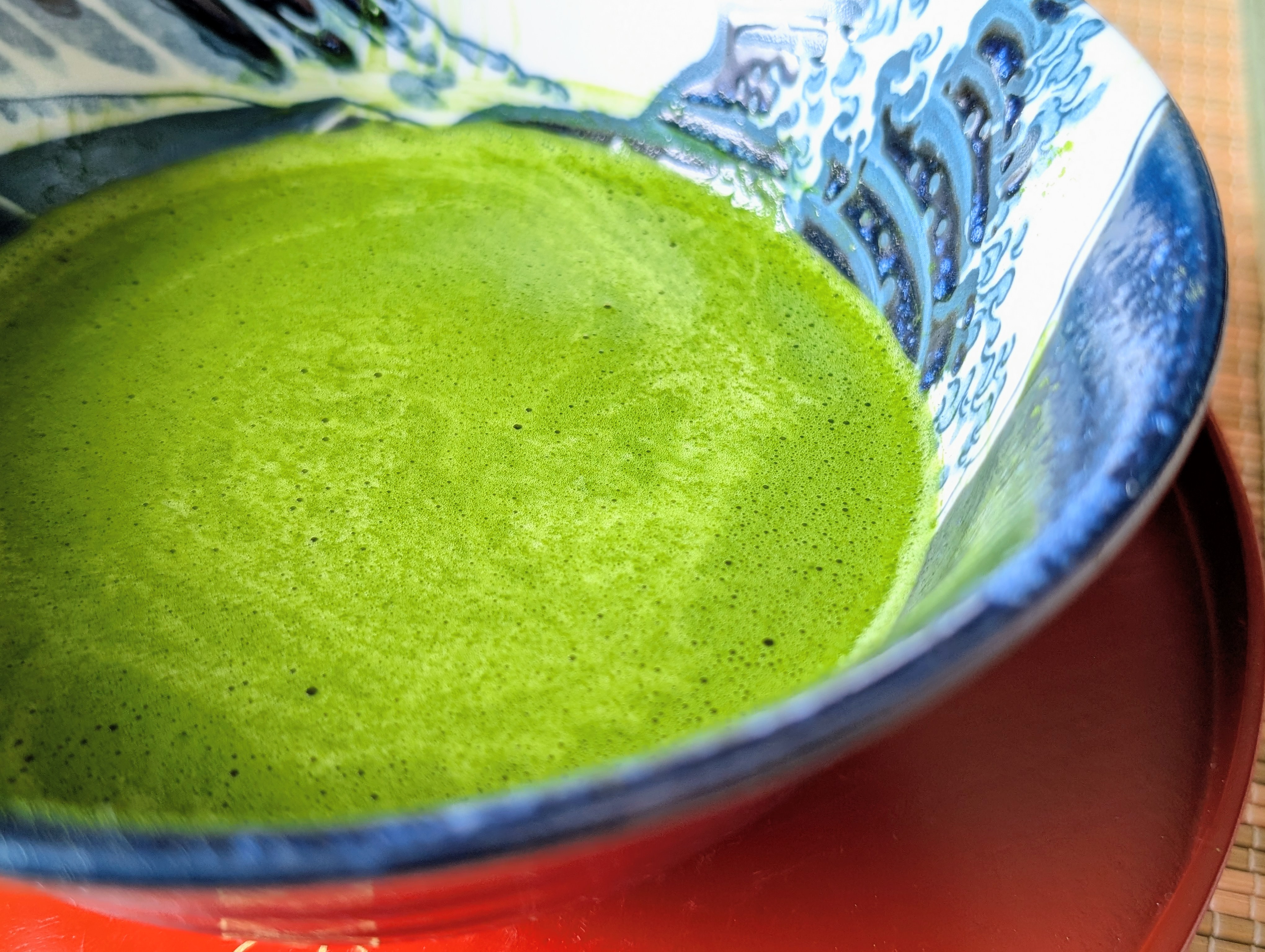
When prepared with water at a slightly hotter temperature (75-80c), while I wasn’t sure how this calmer matcha would fair when it came to my usual set of experiments, I am glad I did them anyway because if I hadn’t, I wouldn’t have discovered that I can read this match at a deeper level when it is prepared with water that is slightly hotter than I would usually use.
The use of hotter water pushes the matcha a little more and gives it much more presence, brightening it and amplifying the vegetal notes, adding a new note of dark leafy greens and a slightly stronger umami presence, and a little bit of sharpness which is exactly what it was missing. It felt much more well rounded when prepared this way.
When prepared as a hot latte, despite using a little more matcha than I usually would & preparing it with less water to ensure it was a little more concentrated, my assumptions were correct and this matcha did not stand it’s ground very well against the addition of the oat milk, as the milk overpowered some of my favourite notes within the flavour profile. I much prefer being able to taste the subtler notes within the flavour profile, so I wouldn’t choose to prepare it this way again and would instead stick to drinking it as usucha.
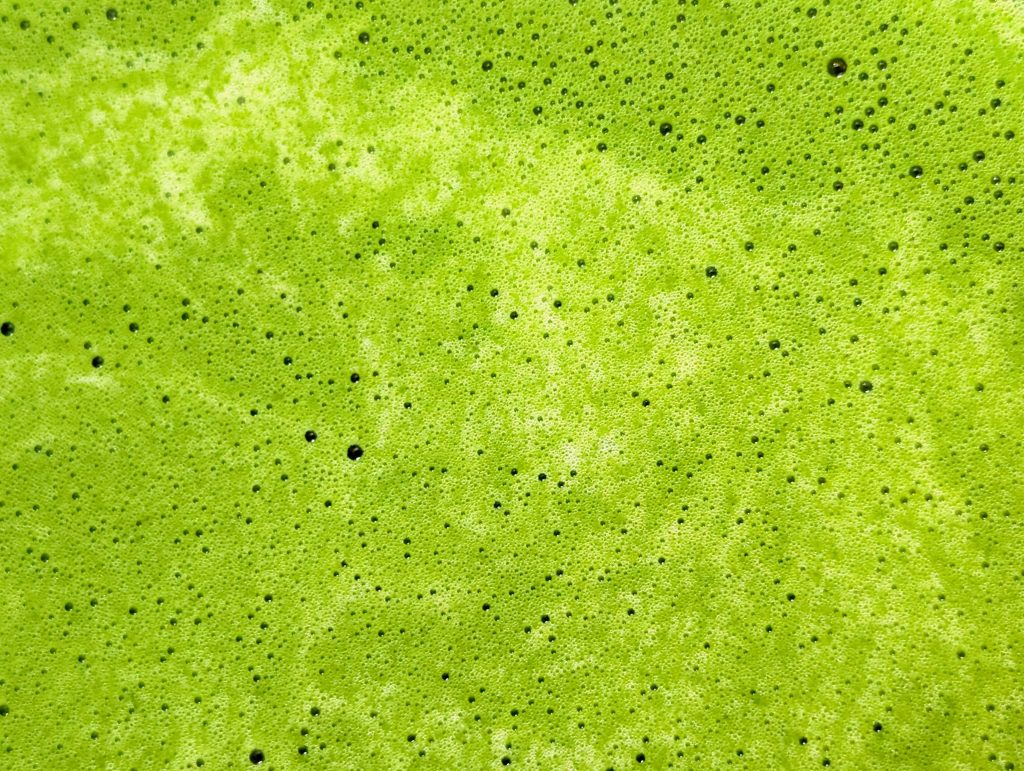
When prepared as an iced latte, as you can probably assume from how this matcha failed to stand its ground against milk when it was prepared as a hot latte, the iced latte was incredibly similar and sadly despite preparing the matcha in a much more concentrated way, it still didn’t stand its ground well enough against both the milk and the dilution of the ice cubes. I was not disappointed by this though because I expected it, and not all matchas work well within lattes, some tend to be able to shine their clearest on their own.
Pairs well with: Strawberries and cream mochi, Taiwanese pineapple cake, Bonne Maman petit chocolate marble cakes and other sweet treats that do not have overly complex flavours, as to avoid the matcha being overshadowed.
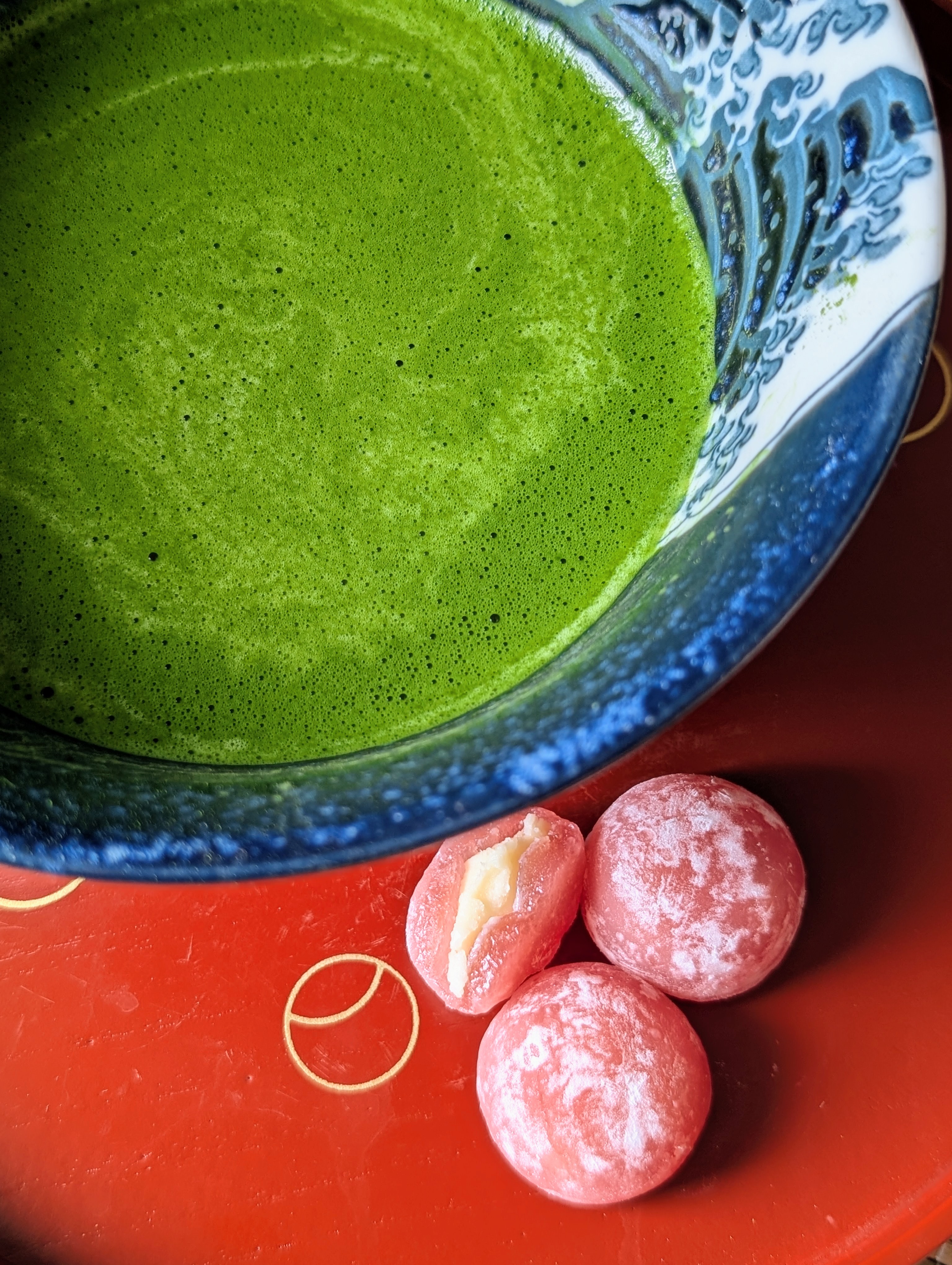
My preferred way to enjoy this matcha is simply as usucha, prepared with both cooler and hotter temperature water, depending on the mood I am in and the type of experience I want to have with the matcha on any given day.
That adaptability is not something you find in a lot of matchas, so it definitely makes this one more appealing & overall, it did live up to the expectations that had been set by the matchas I had previously tried from Nio Teas. I am even more intrigued to see how the Oishi Premium Matcha Saemidori compares given that they are crafted from the same cultivar.
Art Pairing: A Nap in The Woods by Heikala
For this art pairing, I wanted to find a piece of art, no matter the medium, that encapsulated not only the notes from the aroma and flavour profile throughout all of my experiments, but also the mellow calm feeling that this matcha portrayed the first time I drank it and prepared it as usucha. I believe I managed to find the perfect piece that encapsulates all of those things in the form of Heikala’s beautiful watercolour illustration, “A Nap in The Woods”.
The connections between this wonderful piece of art and the matcha are many & can be found primarily within the colour palette and subject matter. Within the colour palette, the focus is on green which of course just makes sense when you are pairing a piece of art with a matcha, however I would like to go further than that, putting a sharpened focus on the presence of the many shades of green which is where the connection is truly at its strongest. The use of many different shades of green, though all slightly softer and somewhat muted due to the medium, mirror the way that the matcha transforms visually throughout the session, from powder to thick dark glossy paste, and finally layered usucha. Each one brings a new shade of green to the palette, just as it adds depth and atmosphere to the watercolour illustration.
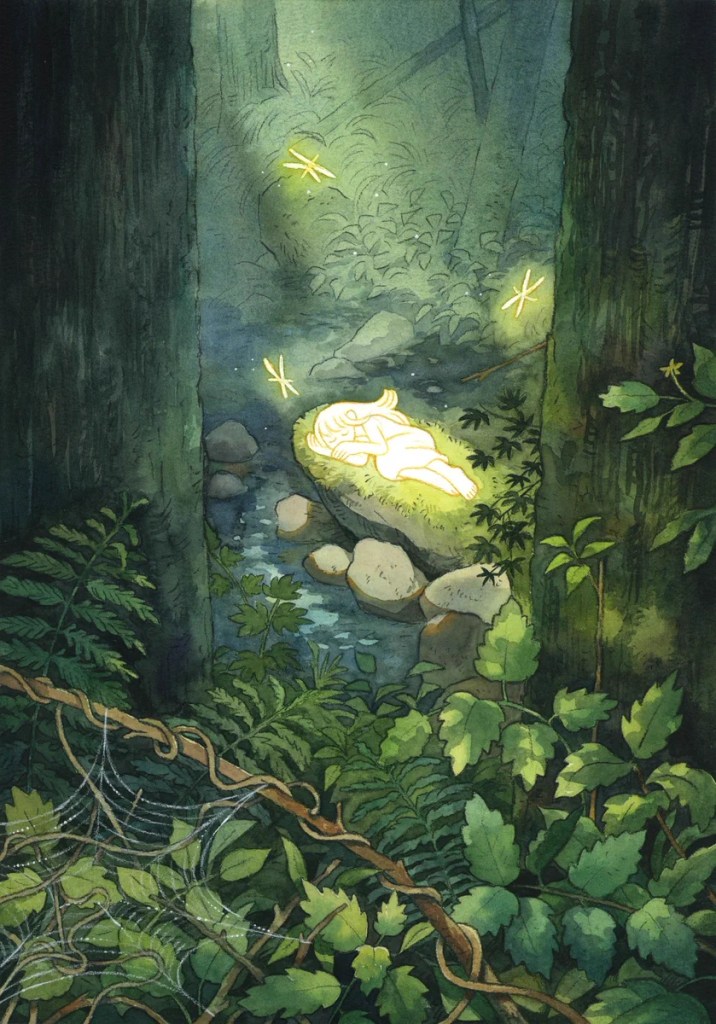
Beyond that, additional connections can be found within the subject matter. This time, however, the connection is to the notes found within the flavour profile and the texture, such as the mossy rocks, riverside flora on a rainy mid afternoon that are featured directly in the center focus point of the canvas, the layered yet mellow and balanced vegetal notes that are represented by the layered dense first flora and vegetation and finally, the bright flowing white central figures taking a relaxing nap within the middle of the forest, lulled to sleep by the calming sound of the babbling brook running through the forest, represents the mellowing and calming nature of this matcha and the overall experience it provides when prepared as usucha with cooler temp water around 60C-65C.
As soon as I laid my eyes on this piece, I knew I had not only found the perfect visual representation of this matcha but also an incredible artist who I instantly followed on Instagram so I can continue to see more of their art as they continue to create it. I highly recommend doing the same, you will be far from disappointed. You can find their Instagram here & their website here.
Should, this post have inspired you to want to try this matcha for yourself; you can find it here on the Nio Teas website. Remember to Use code KIMBERLEYSKYUSU15 for 15% off your Nio Teas order – If you purchase via the affiliate link in my bio, it will automatically be added to your cart. (I get a small commission when you use the code or link)
Until next time, Happy Steeping – Kimberley


You must be logged in to post a comment.